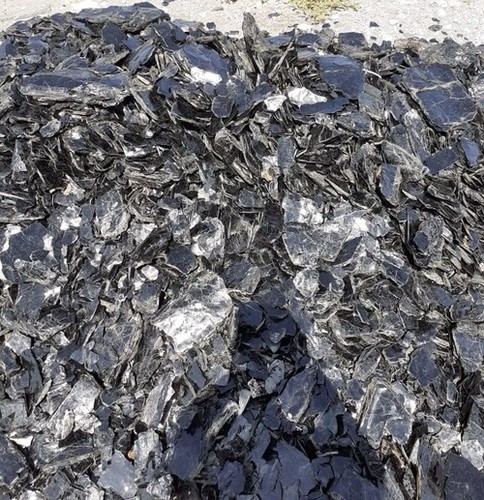
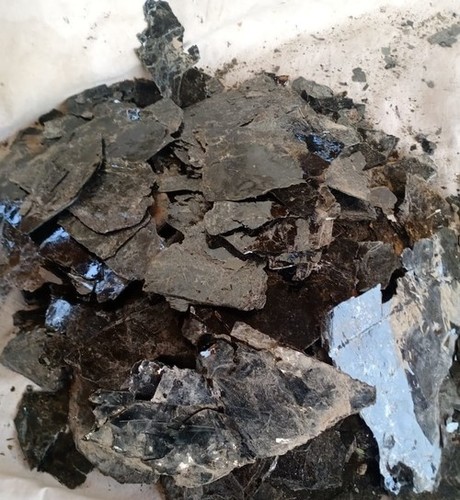
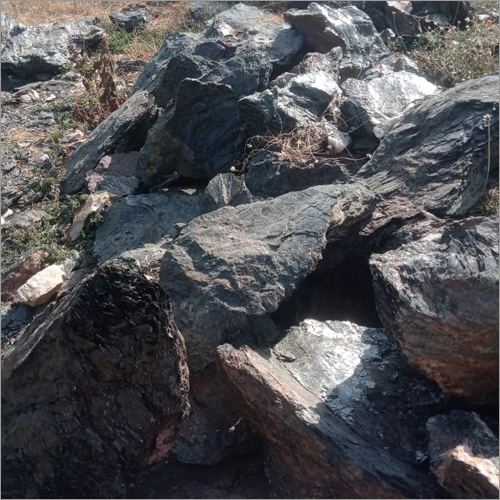
About Biotite Scrap
1) Black mica / biotite : Biotite is also useful in assessing temperature histories of metamorphic rocks, because the partitioning of iron and magnesium between biotite and garnet is sensitive to temperature.
Application medicine and other Ayurveda producs
Sizes : all sizes are available from 50 mm 100 mesh
Superior Heat Resistance and Thermal ConductivityBiotite Scrap stands out for its ability to withstand high temperatures, with a melting point between 900C and 1100C and excellent heat resistance properties. Its good thermal conductivity and poor electrical conductivity make it a prime choice for applications requiring efficient heat management without electrical interference.
Versatile Industrial ApplicationsThis material is widely trusted in refractory linings, insulation boards, construction elements, and ceramic production due to its chemical stability and physical durability. Its mixed particle sizes, low impurity levels, and oil absorption rate also enhance its suitability across demanding industrial environments.
Flexible Packaging and Supply SolutionsManufacturers, distributors, and suppliers offer Biotite Scrap in loose forms, bags, or as per client requirements to meet diverse bulk supply needs. Whether needed for large-scale industrial production or specialized projects, supply options are tailored for seamless integration and usage.
FAQ's of Biotite Scrap:
Q: How is Biotite Scrap typically used in industrial applications?
A: Biotite Scrap's excellent heat resistance and good thermal conductivity make it valuable in refractory linings, insulation materials, ceramic manufacturing, and construction. Its physical properties and chemical composition help improve durability and performance under high-temperature conditions.
Q: What benefits does Biotite Scrap offer over other types of mica?
A: Thanks to its high Al2O3, K2O, and Fe2O3 content, Biotite Scrap is more heat resistant and chemically stable than some other mica types. It also comes in versatile forms with minimal impurities and low moisture, ensuring reliable functionality in demanding environments.
Q: Where is Biotite Scrap commonly sourced and supplied from?
A: Most Biotite Scrap is mined and processed in India, where it is distributed, exported, and supplied by manufacturers, exporters, traders, and producers as loose scrap or bagged material, depending on industrial requirements.
Q: What is the typical process for preparing Biotite Scrap for industrial usage?
A: Biotite Scrap is collected in lump or flake form, sorted for impurities, sized to mixed particle dimensions (1 mm to 50 mm), and packaged loosely or in bags. This ensures consistency and compliance with industrial grade specifications before delivery to end users.
Q: When should Biotite Scrap be preferred in construction or ceramics?
A: Biotite Scrap is ideal when materials with high heat resistance, low electrical conductivity, and good thermal properties are required. Its chemical stability and minimal volatile matter make it an optimal choice for demanding environments such as kilns, insulation panels, or ceramic glazes.
Q: What forms and packaging options are available for Biotite Scrap?
A: It is supplied in lumps, flakes, or irregular scrap with mixed particle sizes, and can be packed loose, in bags, or customized according to buyer needs. Bulk supply accommodates varying dimension and weight requirements for flexible industrial integration.






 Send Inquiry


 Send Inquiry